Product Design
Designing AI-Assisted Habit Formation with User Trust
Explored how AI could support long-term spiritual habits within YouVersion’s Plans feature while prioritizing user trust, data confidentiality, and value-aligned recommendations.
-
Nov 2025
YouVersion | Life.Church

3 min
Yes
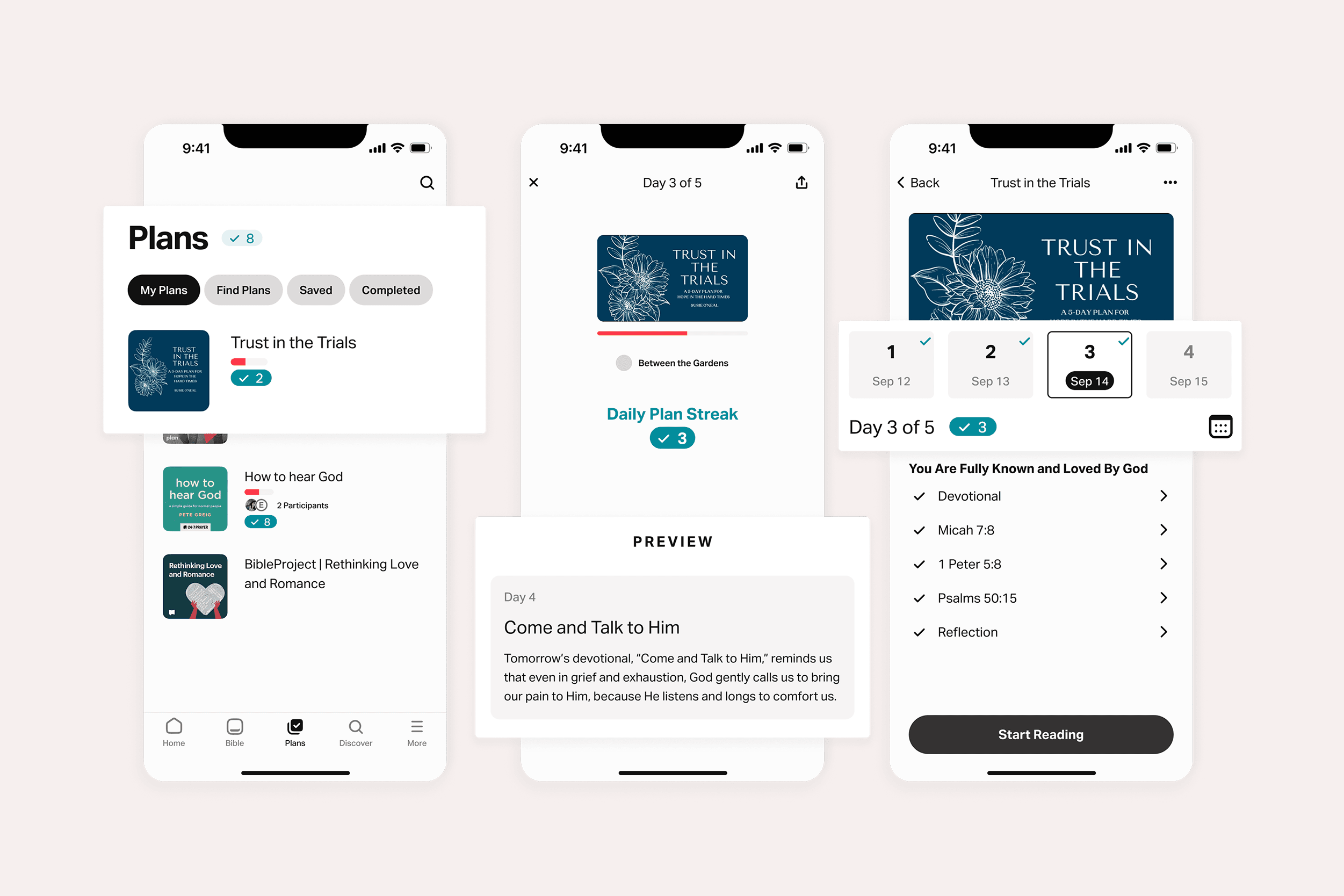
AI-Enhanced Feature
Behavioral UX
UX Design
Overview
Context
How we reduced inconsistency while enabling faster product iteration.while remaining optional, transparent, and respectful of users’ spiritual values.
My Role
I led UX exploration and interaction design, focusing on how AI-assisted experiences could enhance habit formation without compromising trust or user agency.
Tools

Figma

Stakeholder Workshops

Generative AI Tools
The Challenge
Introducing AI into a deeply personal, faith-driven product raised unique challenges:
Balancing personalization with user autonomy
Avoiding over-automation in a values-centered experience
Ensuring recommendations felt supportive rather than prescriptive
Designing AI interactions users could choose to trust
The goal was not to add AI for novelty, but to explore whether it could meaningfully support users’ spiritual practices.

Strategy & Exploration
AI exploration surfaced critical ethical and technical considerations that shaped the design direction.
Data confidentiality:
User reflections and responses are highly personal. At the time of exploration, there was no clear solution for securely storing or processing this data without risk of exposure or misuse. This raised questions around whether AI should be introduced at all without stronger safeguards in place.Model maturity and theological accuracy:
Christian content spans multiple denominations and interpretations. We identified a key risk in relying on a generalized LLM that might produce responses rooted in psychology rather than Scripture, or content that may not align broadly with Christian values.
Because of these uncertainties, AI was intentionally framed as exploratory and assistive, rather than authoritative or deeply integrated into core spiritual guidance.
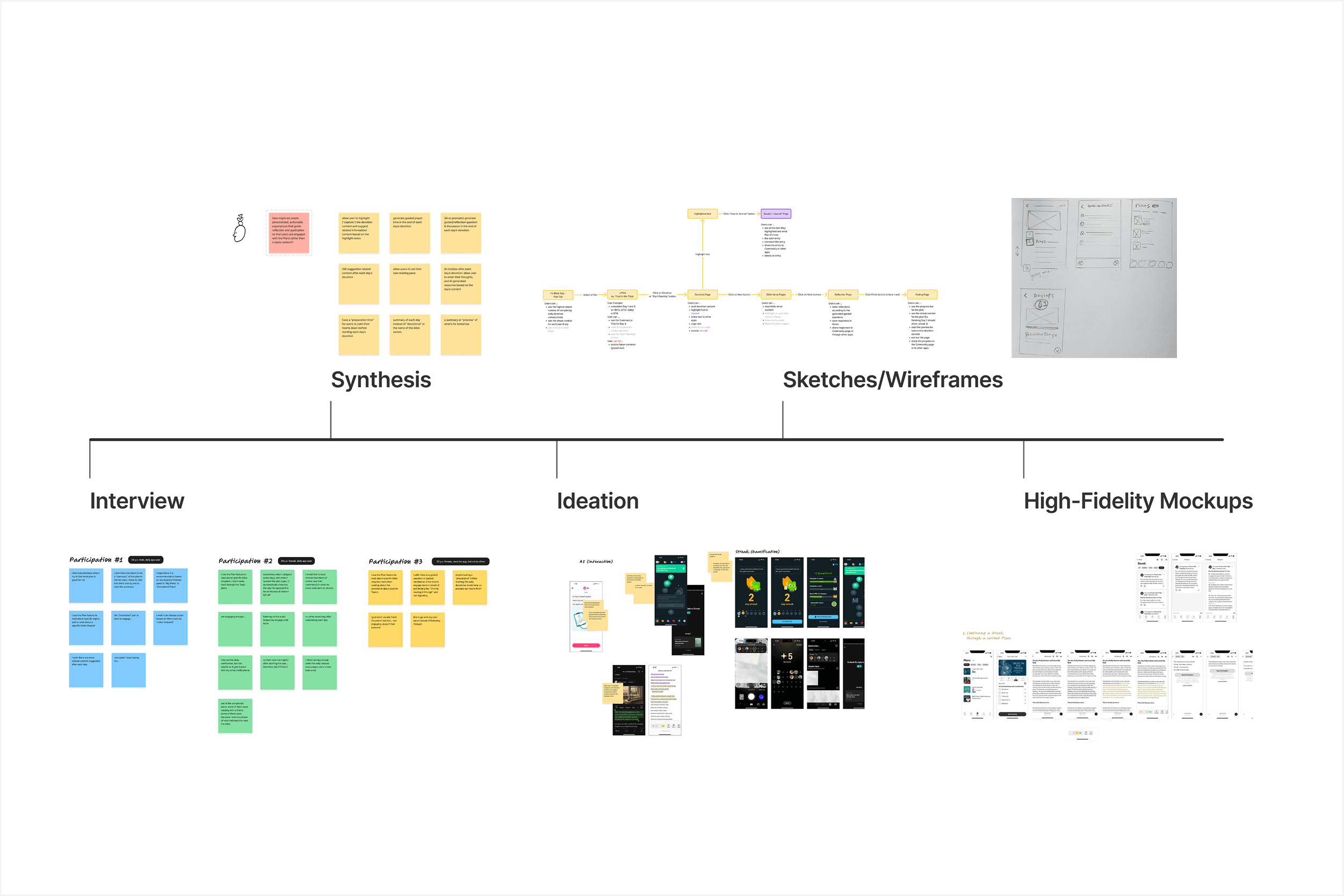
Interaction & Ethical Considerations
Given these constraints, I focused on designing AI interactions that emphasized clarity, restraint, and user control.
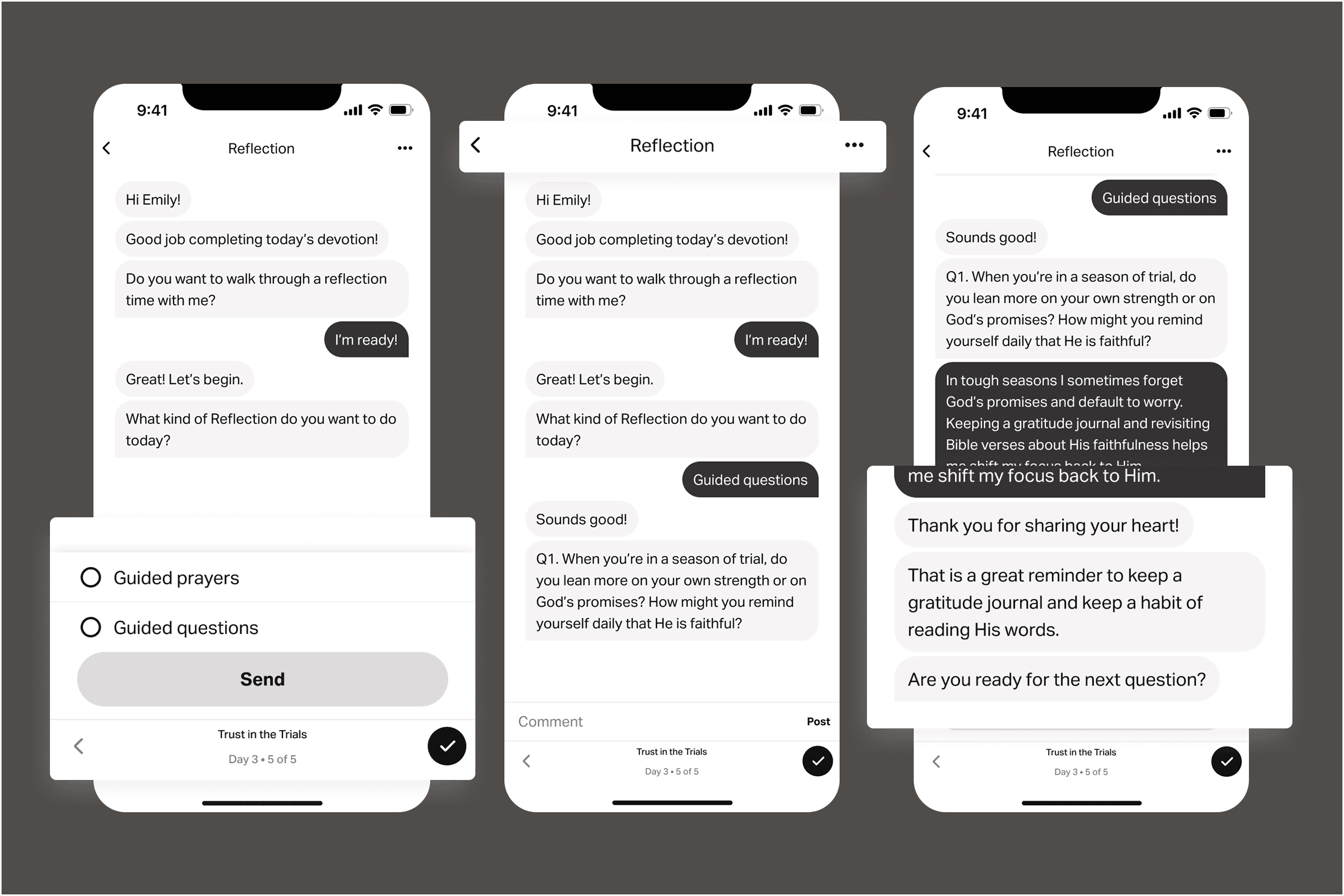
AI suggestions were framed as optional prompts rather than guidance
Clear entry and exit points allowed users to opt in or disengage
Language and visual cues distinguished AI-generated content from user-led actions
Low-fidelity concepts were used to test boundaries early before refining interaction patterns.
Impact
Identified ethical and product constraints critical to future AI adoption
Established a framework for evaluating AI use in faith-based digital products
Provided direction for future exploration once data security and model accuracy can be addressed
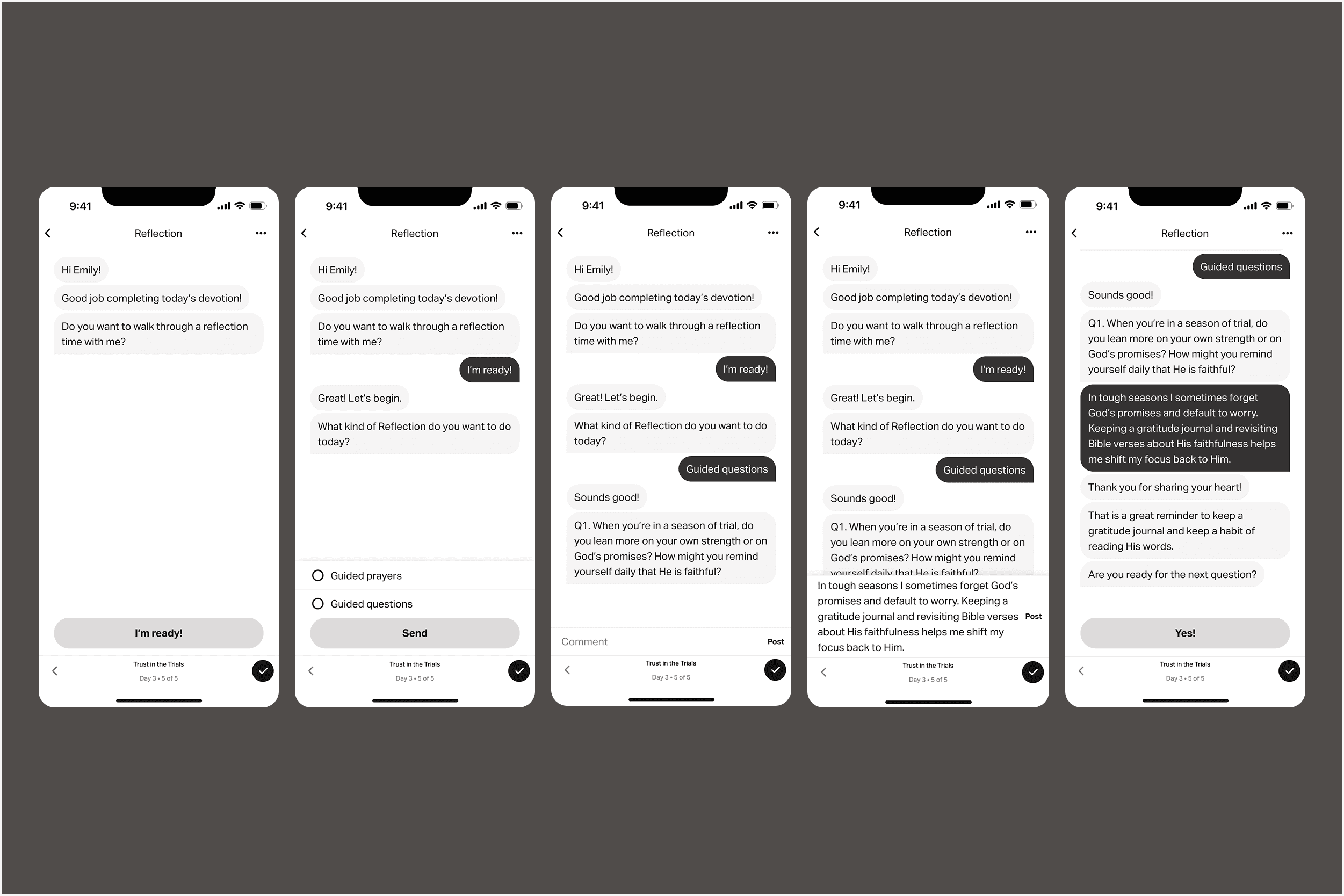
Prototype
Reflection
This project reinforced that responsible AI design often means knowing when not to ship. Designing for trust, especially in values-driven products, requires addressing data safety and content integrity before prioritizing personalization or scale.
More in Product Design

Designing a Compliance-Focused Website for Clarity and Trust
Redesigned a CMMC-focused informational website to translate complex compliance requirements into a clear, trustworthy experience for organizations navigating cybersecurity certification.

Designing a Podcast Experience with Thoughtful Monetization
Designed a mobile podcast experience from concept to high-fidelity prototype, balancing listener needs with a freemium-to-premium business model.
Editor's Picks
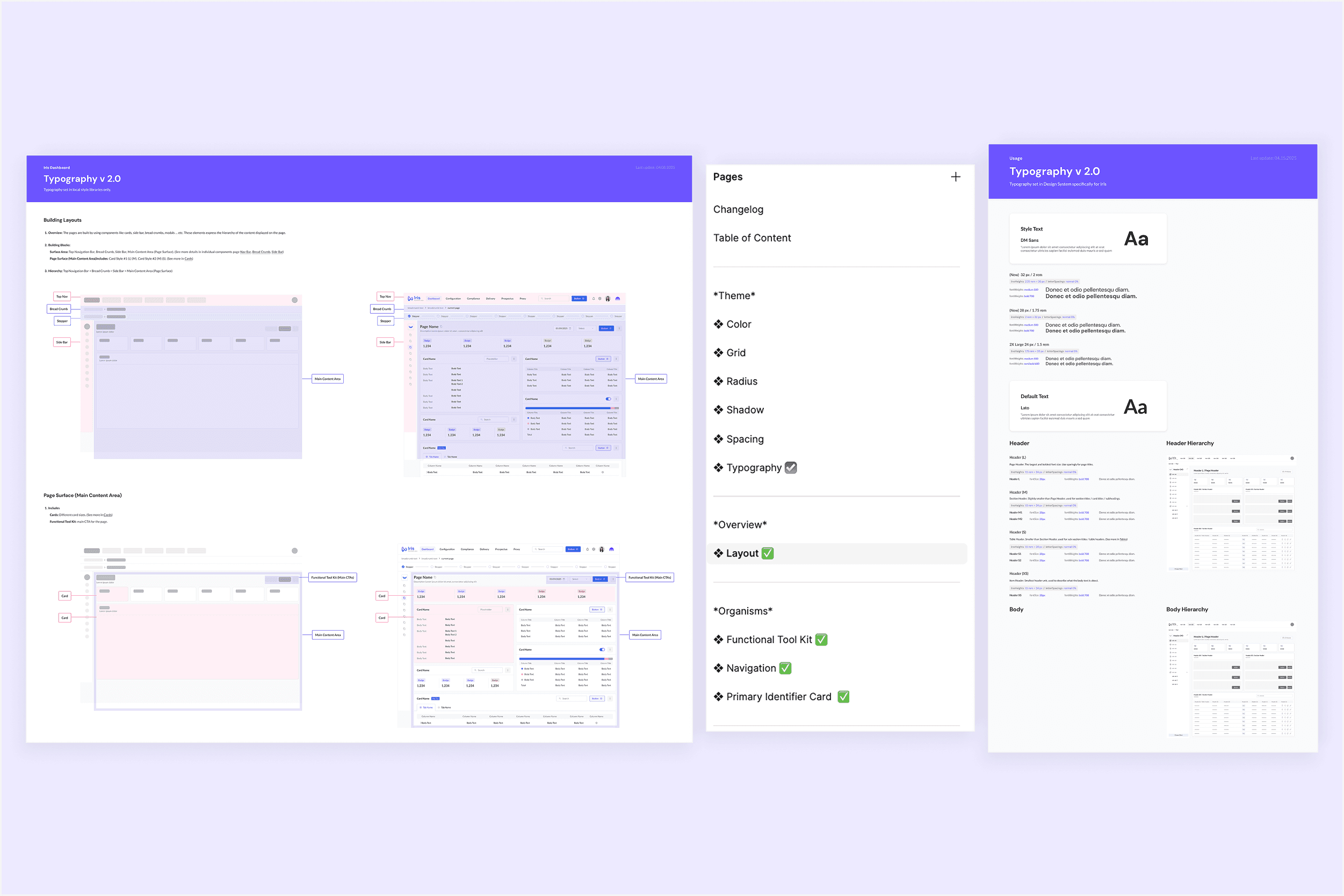
Auditing and Scaling a Design System for Enterprise SaaS
How we reduced inconsistency while enabling faster product iteration.
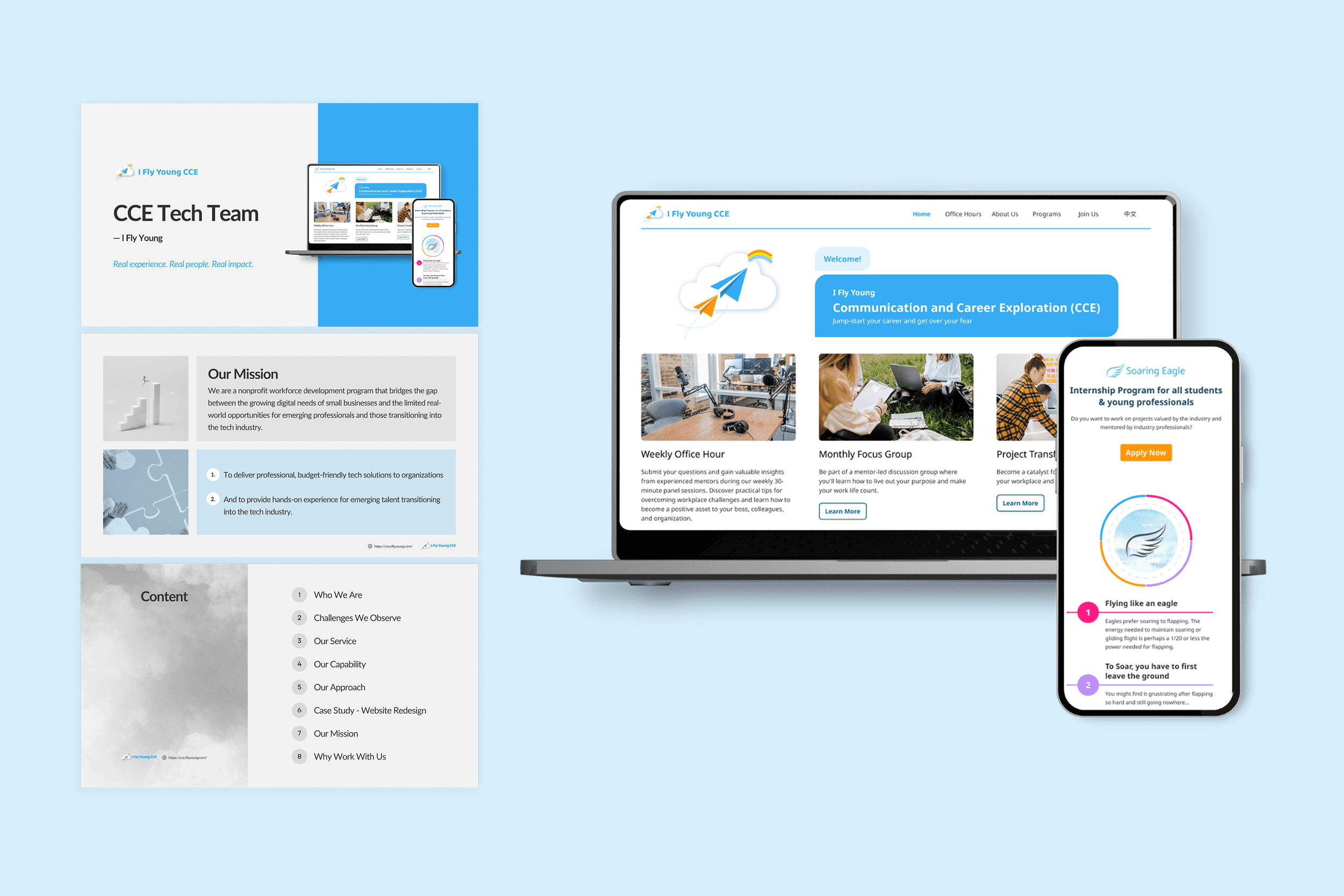
End-to-End Website Redesigns with Ownership
Led end-to-end website redesigns for client organizations, owning projects from discovery through MVP launch while coordinating design, development, and research to deliver on time and at quality.