Design Systems
Auditing and Scaling a Design System for Enterprise SaaS
How we reduced inconsistency while enabling faster product iteration.
Nutshell Labs
2 min
Yes
Product Ownership
Design System
Overview
Context
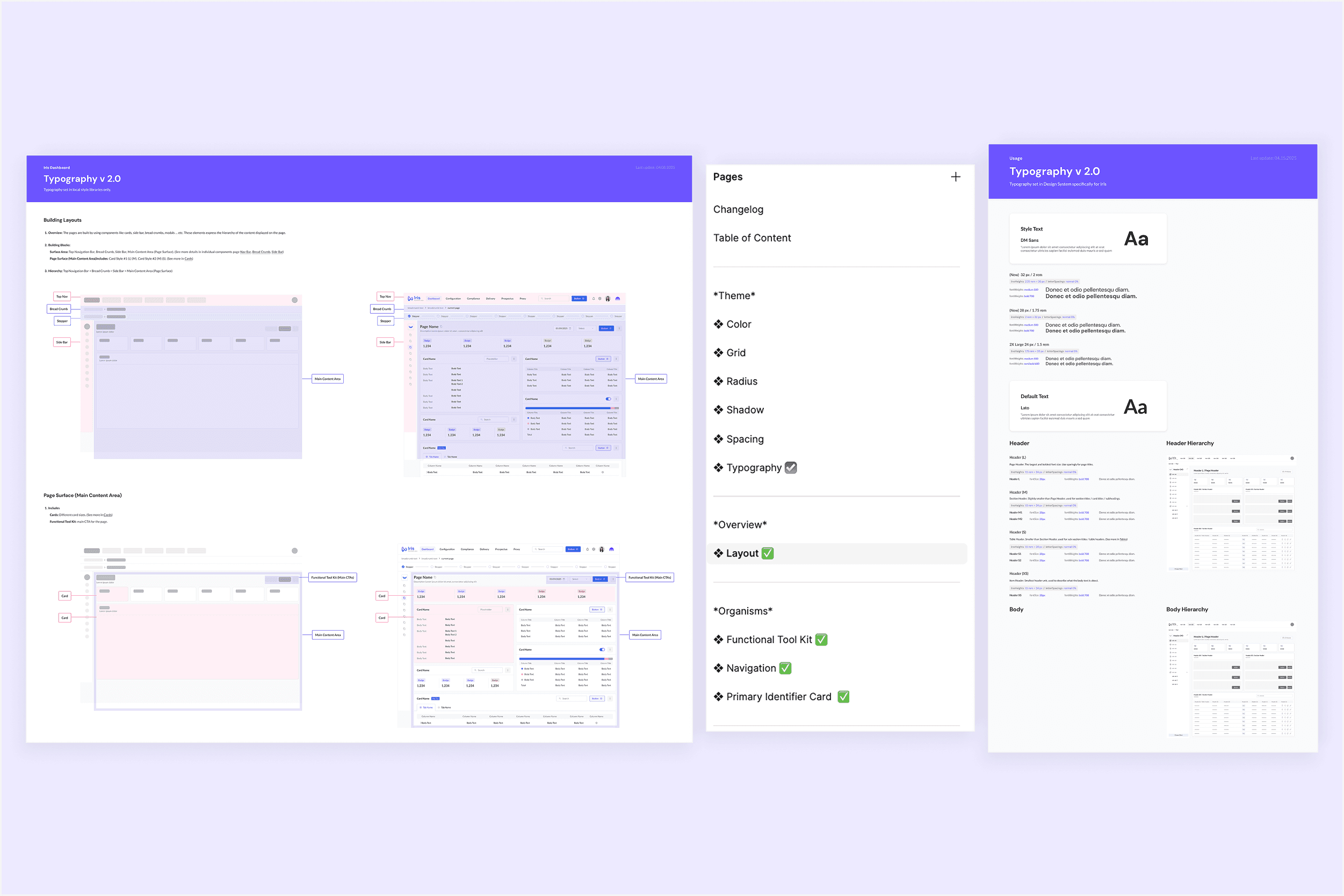
As Nutshell Labs scaled its product offerings, the design system had grown organically, resulting in duplicated components and inconsistent patterns across teams.
My Role
I led design system audits and consolidation efforts in partnership with product and engineering.
The System Problem
What wasn’t working
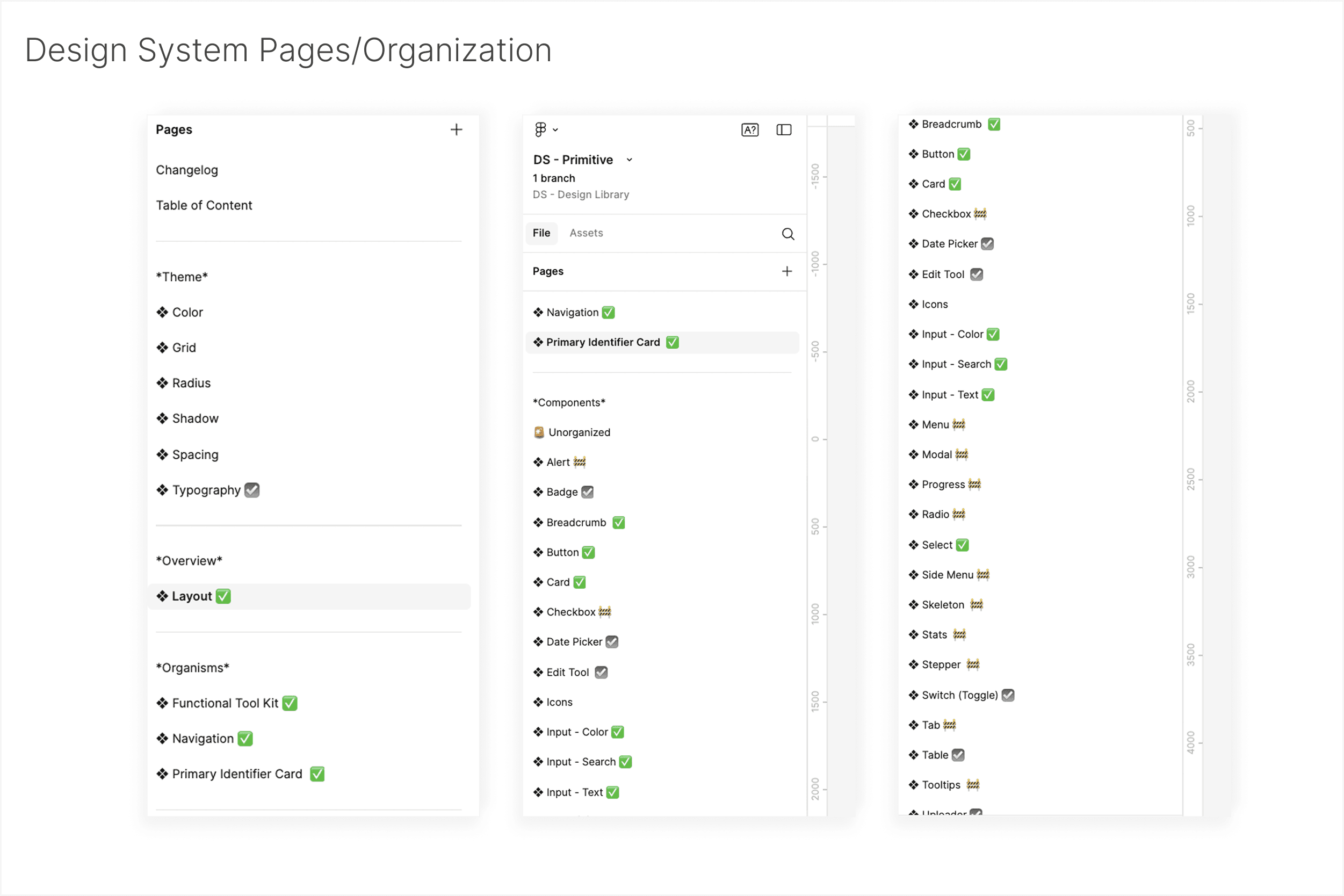
Duplicated components across files
Inconsistent naming and usage
Limited documentation
Friction during design–dev handoff
The system was functional, but no longer scalable. The challenge was to improve consistency and efficiency without disrupting active product work.
Consolidation & System Decisions
I consolidated components into a centralized, shareable Figma library.
Key system decisions
1. Audit before expanding
→ Consolidated overlapping components before introducing anything new.
2. Prioritize scalability over completeness
→ Focused on high-usage components instead of full coverage.
3. Evolve foundations, not one-offs
→ Extended tokens (spacing, type scale, shadows) to support new SaaS complexity.
4. Align with proven patterns
→ I referenced established systems such as Polaris, Mews, and Vibe to guide naming conventions, component structure, and documentation standards.
System Artifacts
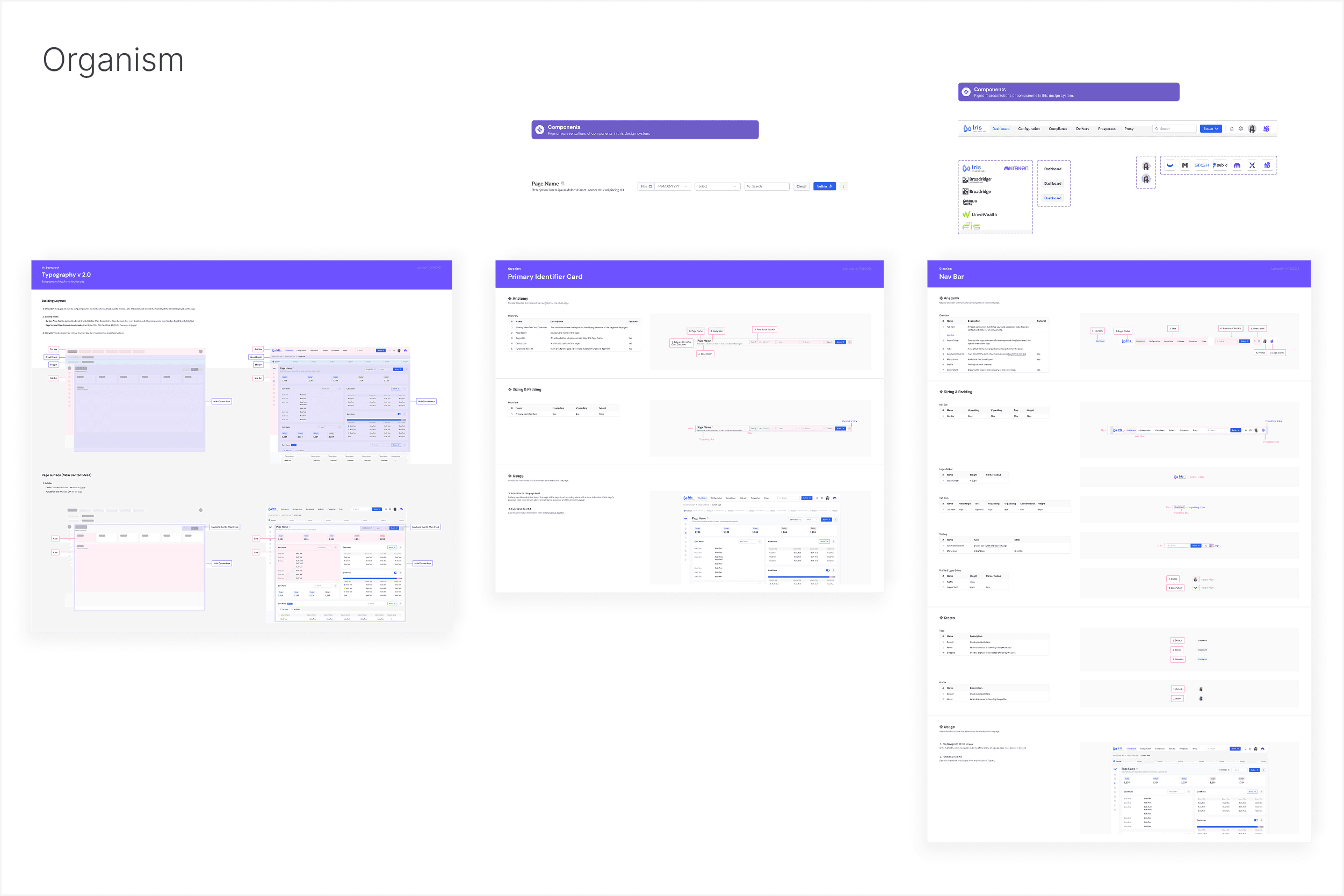
Organism consolidation example
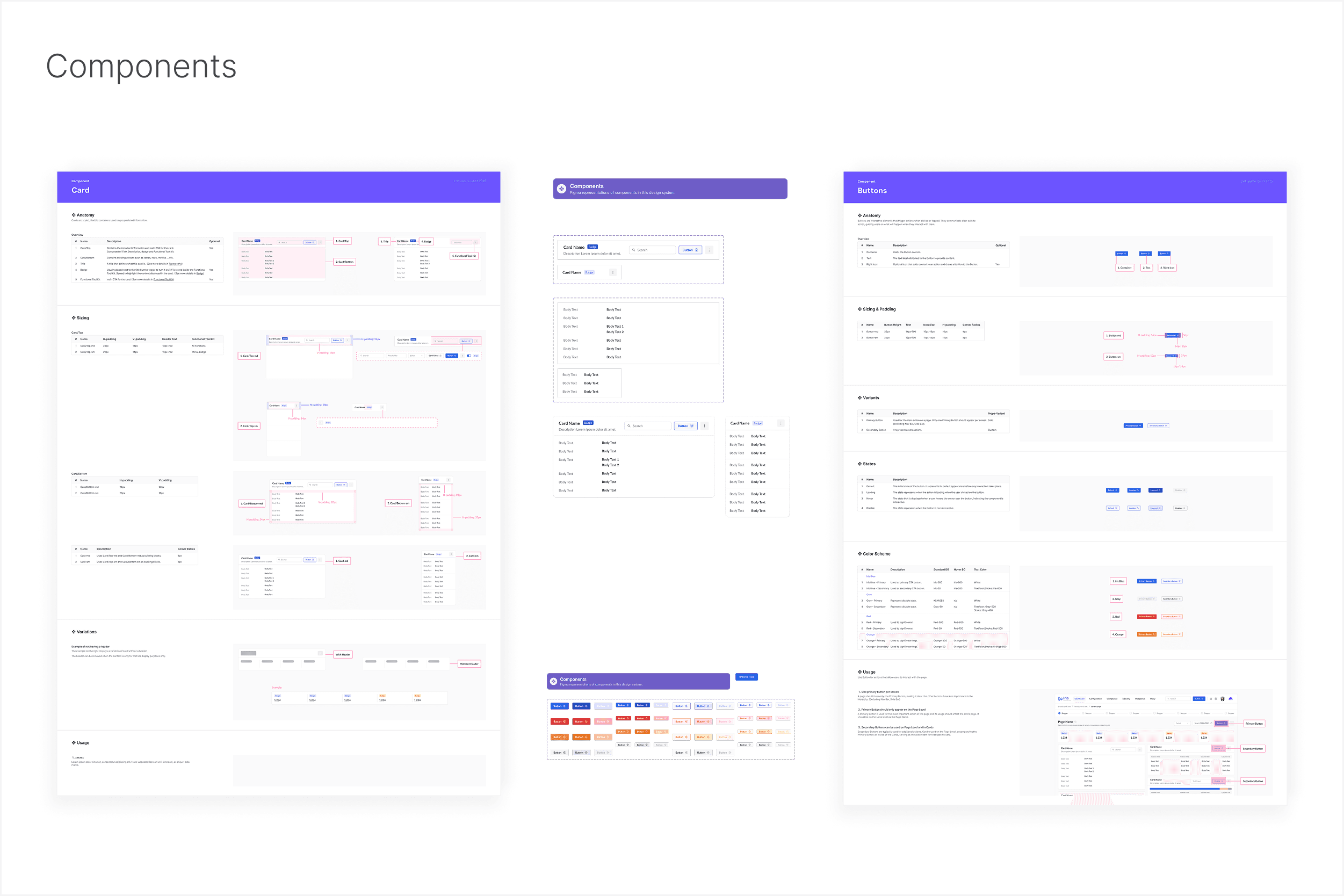
Component consolidation example
Cross-Functional Rollout
Changes were coordinated with product and engineering, separating quick wins from longer-term updates to avoid blocking delivery.
Impact on Team & Product
Reduced component duplication and inconsistency
Improved design efficiency across product work
Clearer expectations during design–dev handoff
A more maintainable system aligned with product complexity
The design system shifted from a passive asset to an active tool supporting scale.
Reflection
This work reinforced that design systems are less about visual consistency and more about decision-making. In a startup environment, the most effective systems evolve incrementally, by knowing when to expand, when to consolidate, and when to leave things untouched.
More in Design System
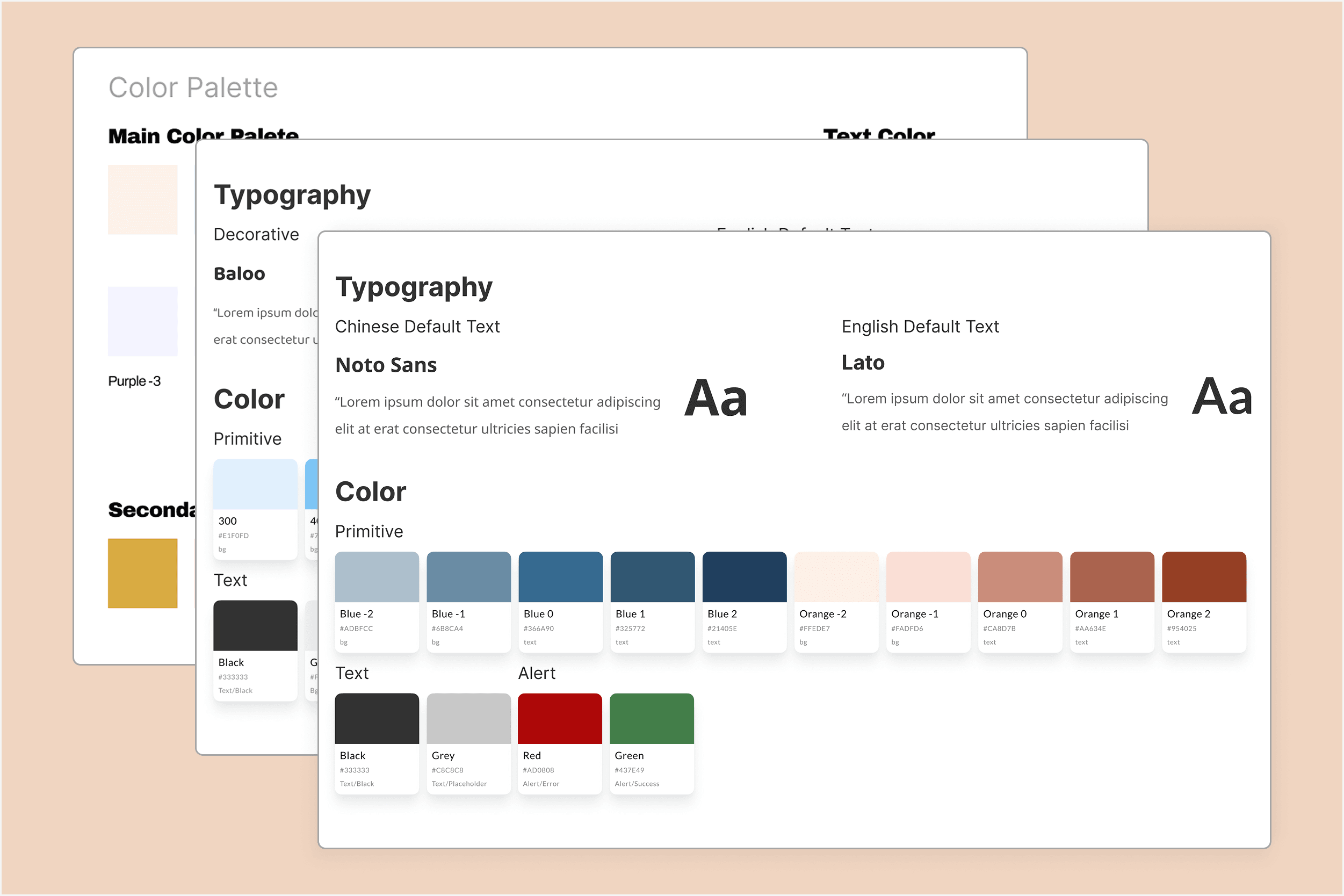
Establishing Design System Foundations in Small Teams
How lightweight system foundations helped small teams move faster—without the overhead of fully formalized design systems.
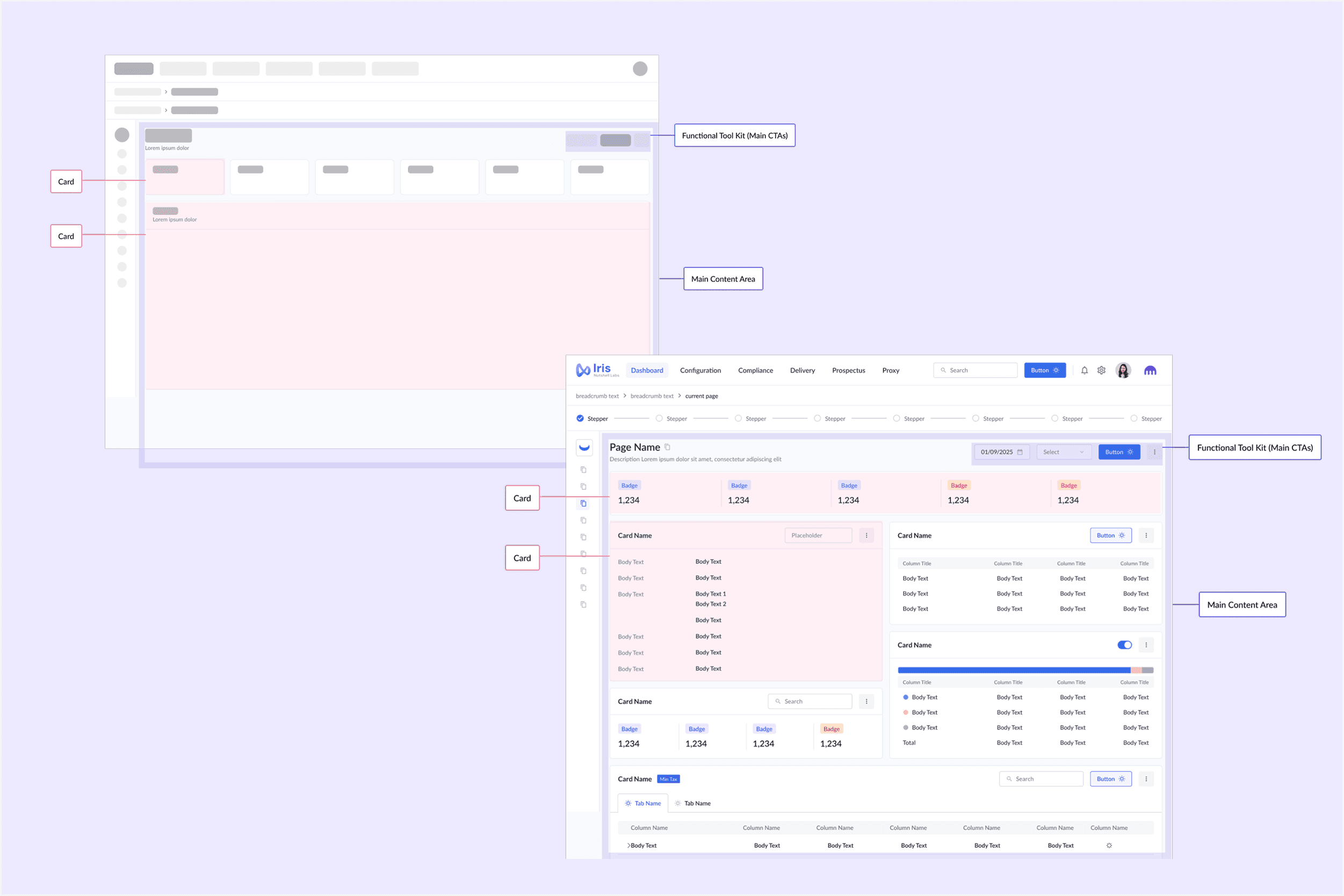
Designing Configuration Interfaces as System Extensions
How complex configuration screens exposed the limits of our design system—and how extending foundations (not components) helped the system scale with the product.
Editor's Picks
Auditing and Scaling a Design System for Enterprise SaaS
How we reduced inconsistency while enabling faster product iteration.
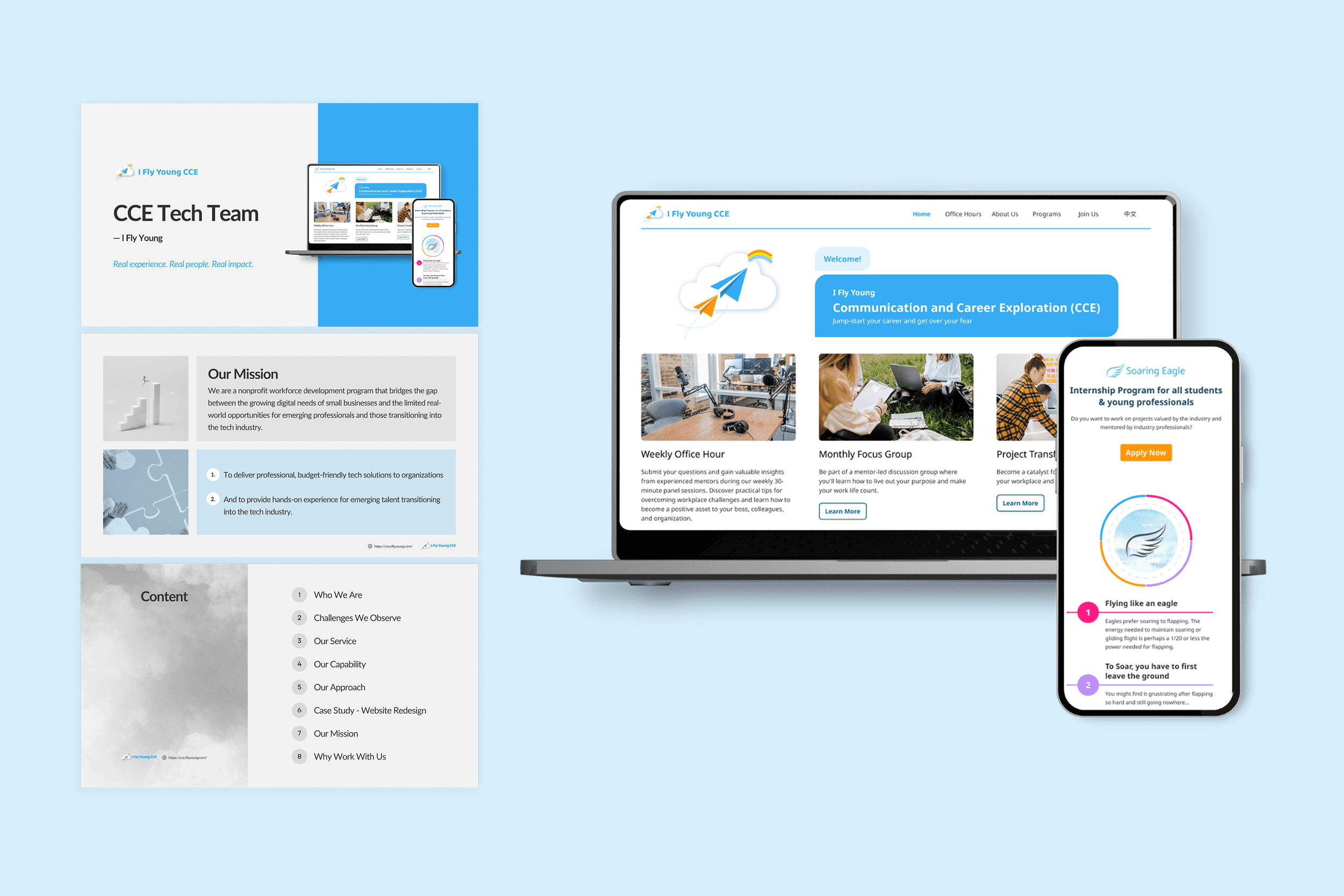
End-to-End Website Redesigns with Ownership
Led end-to-end website redesigns for client organizations, owning projects from discovery through MVP launch while coordinating design, development, and research to deliver on time and at quality.