Design Systems
Establishing Design System Foundations in Small Teams
How lightweight system foundations helped small teams move faster—without the overhead of fully formalized design systems.
Companies
2 min
No
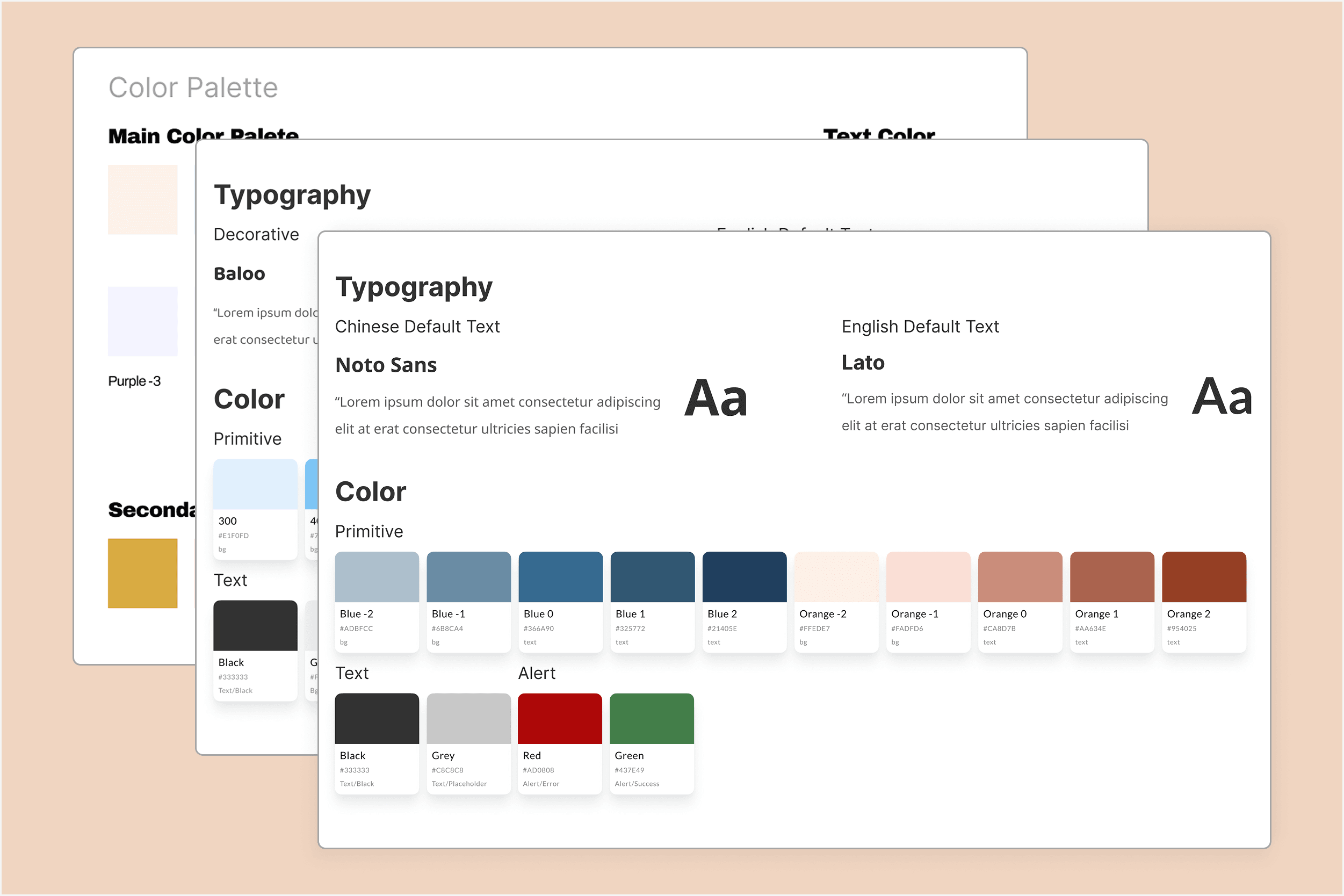
Design System
Early-Stage Design
Growth Design
Overview
Context
Across projects at Travis Christian Assembly, I Fly Young CCE, and FeastPass, I worked with small teams operating under tight timelines and limited resources. While each project differed in scope, all required consistency, clarity, and the ability to scale just enough.
My Role
UX Designer · Foundation-Level System Design
The System Problem
Small teams face a different set of system challenges than large organizations.
What we were balancing
The need for consistency without formal governance
Limited design and engineering bandwidth
Rapid iteration and evolving requirements
Avoiding over-engineering too early
A full design system would have slowed progress—but no system at all led to inconsistency and rework.

Key Decisions
Rather than building full systems, I focused on establishing foundations that could grow naturally.
Decisions We Made
1. Standardize the basics first
Defined core typography, color usage, spacing rules, and layout principles before introducing components.
2. Prioritize lightweight, reusable components
Established foundational components (buttons, inputs, navigation) that could be easily updated and reused across screens, allowing the system to stay flexible as the product evolved.
3. Design for future handoff and future scale
Documented just enough to support collaboration and future iteration without heavy maintenance.
System Artifacts
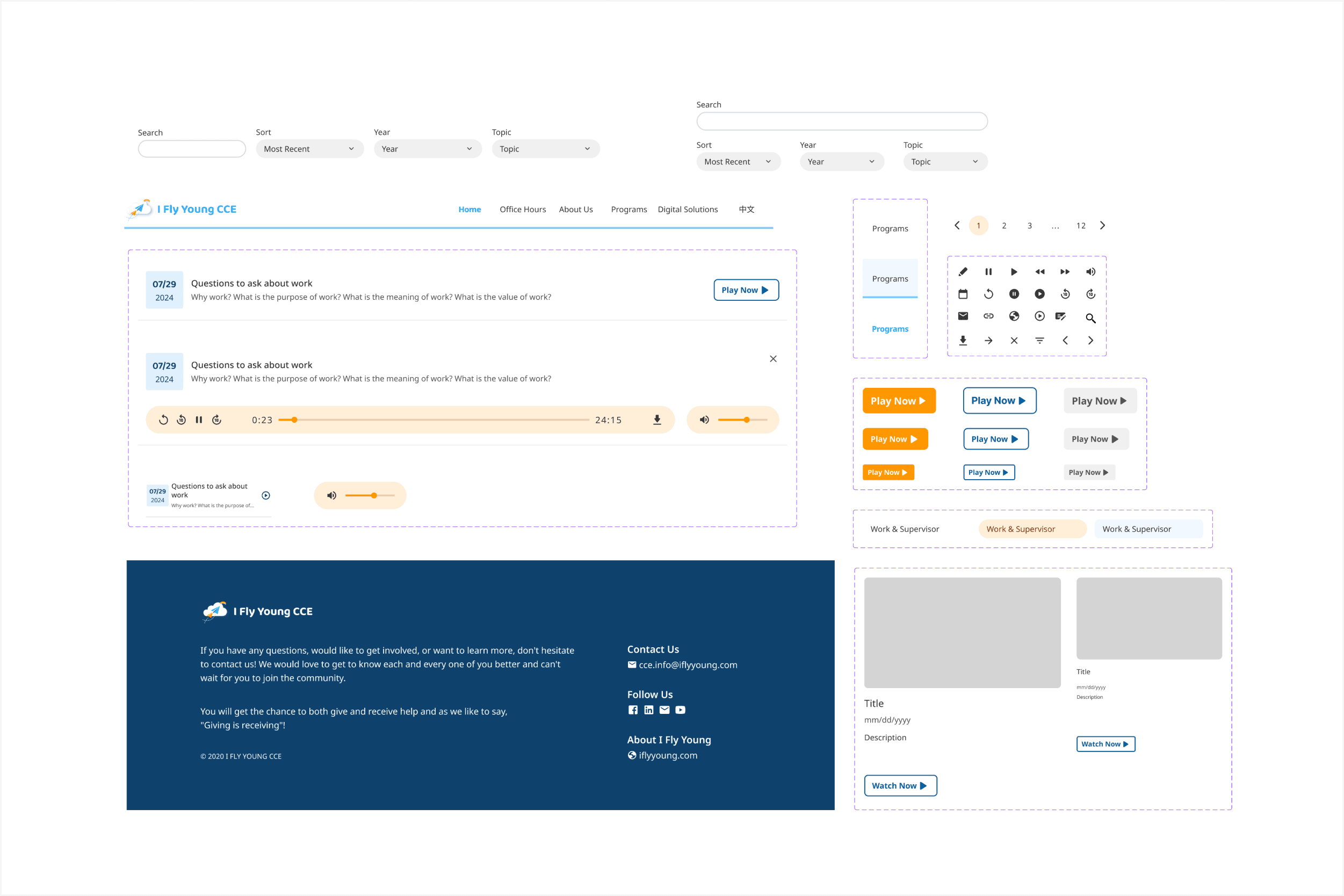
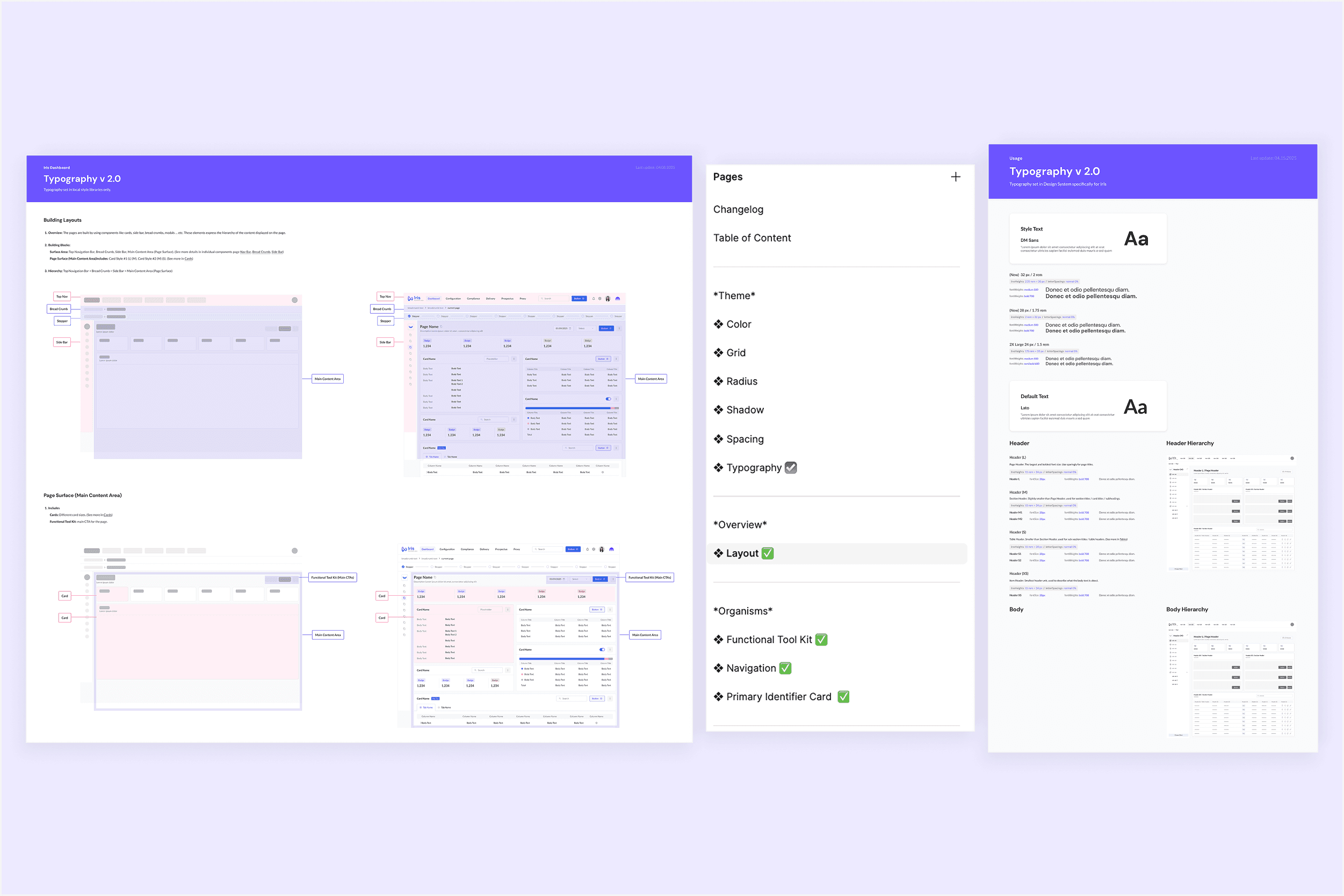
Example of basic component/foundation.
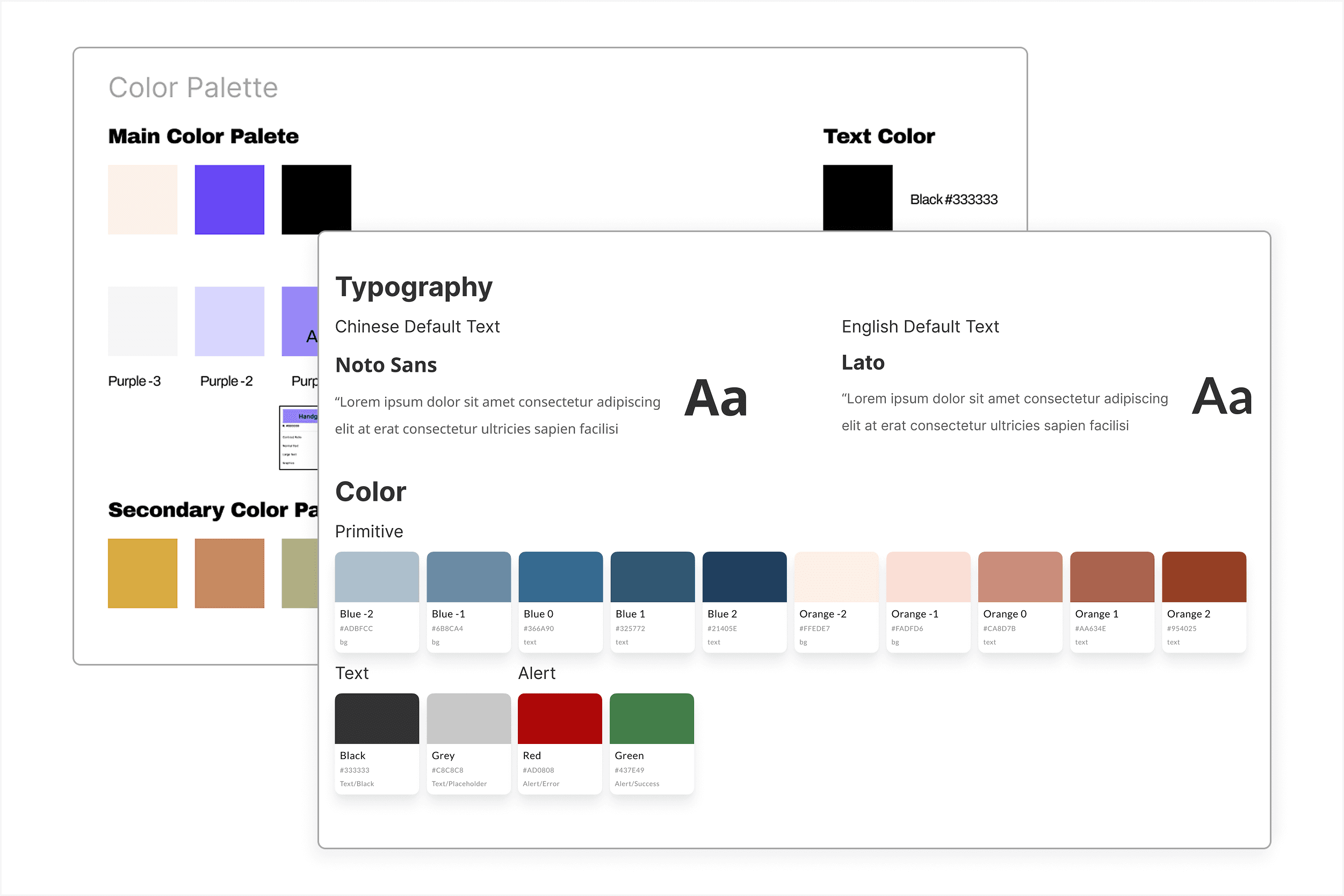
Examples of color palette + typography.
Cross-Functional Rollout
These lightweight foundations supported a range of products without overcommitment.
TCA: Enabled consistent page layouts and navigation as content expanded
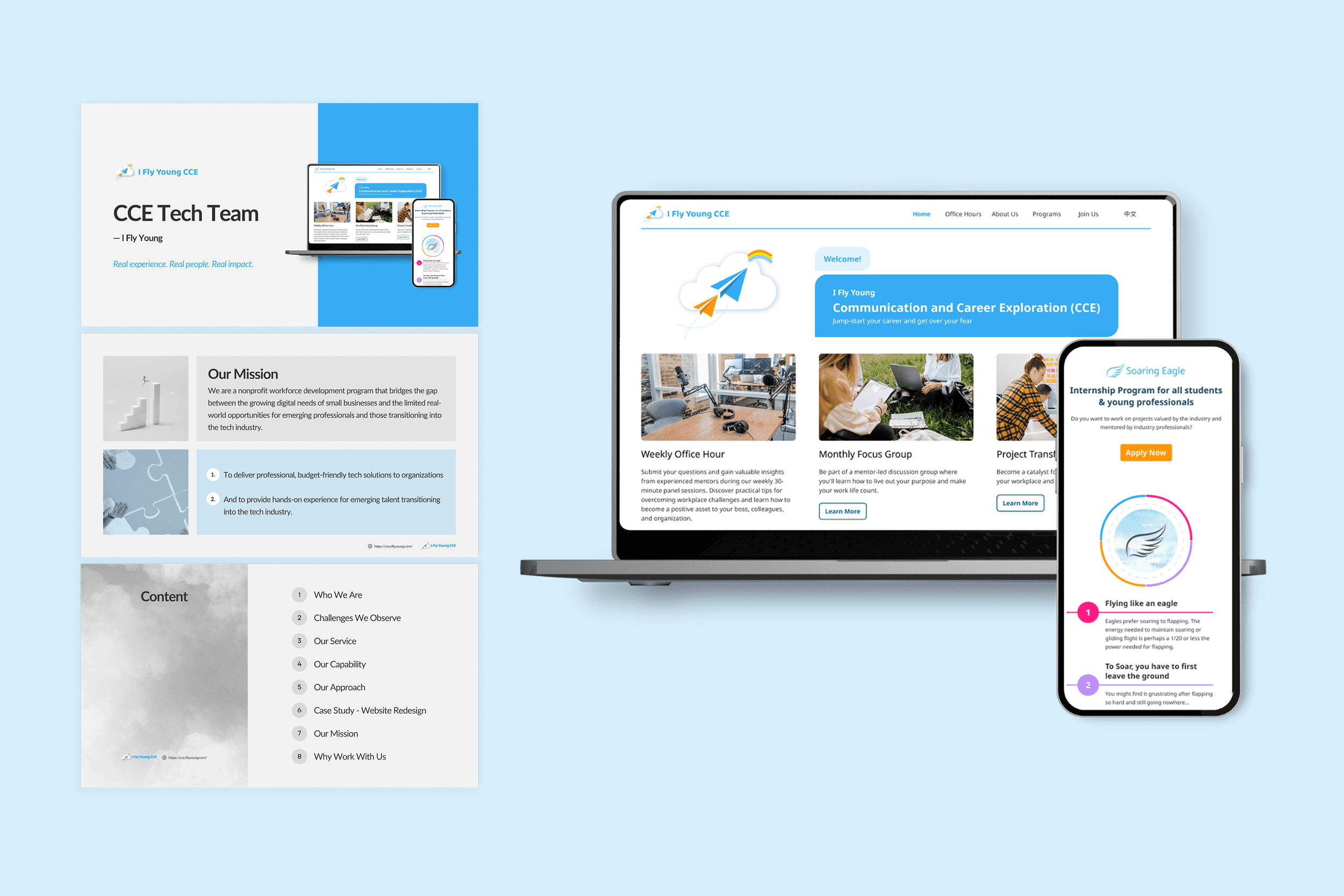
I Fly Young CCE: Supported rapid delivery of client websites with shared visual language
FeastPass: Provided a cohesive mobile experience while the product direction evolved
The system flexed with each project instead of constraining it.
Impact on Team & Product
Reduced visual inconsistency across pages and features
Faster design decisions with fewer debates over basics
Easier collaboration with developers and stakeholders
A clear starting point for future system formalization
Reflection
This work reinforced that design systems are not one-size-fits-all. For small teams, the most effective systems are lightweight, opinionated foundations that support momentum rather than slow it down.
More in Design System
Establishing Design System Foundations in Small Teams
How lightweight system foundations helped small teams move faster—without the overhead of fully formalized design systems.
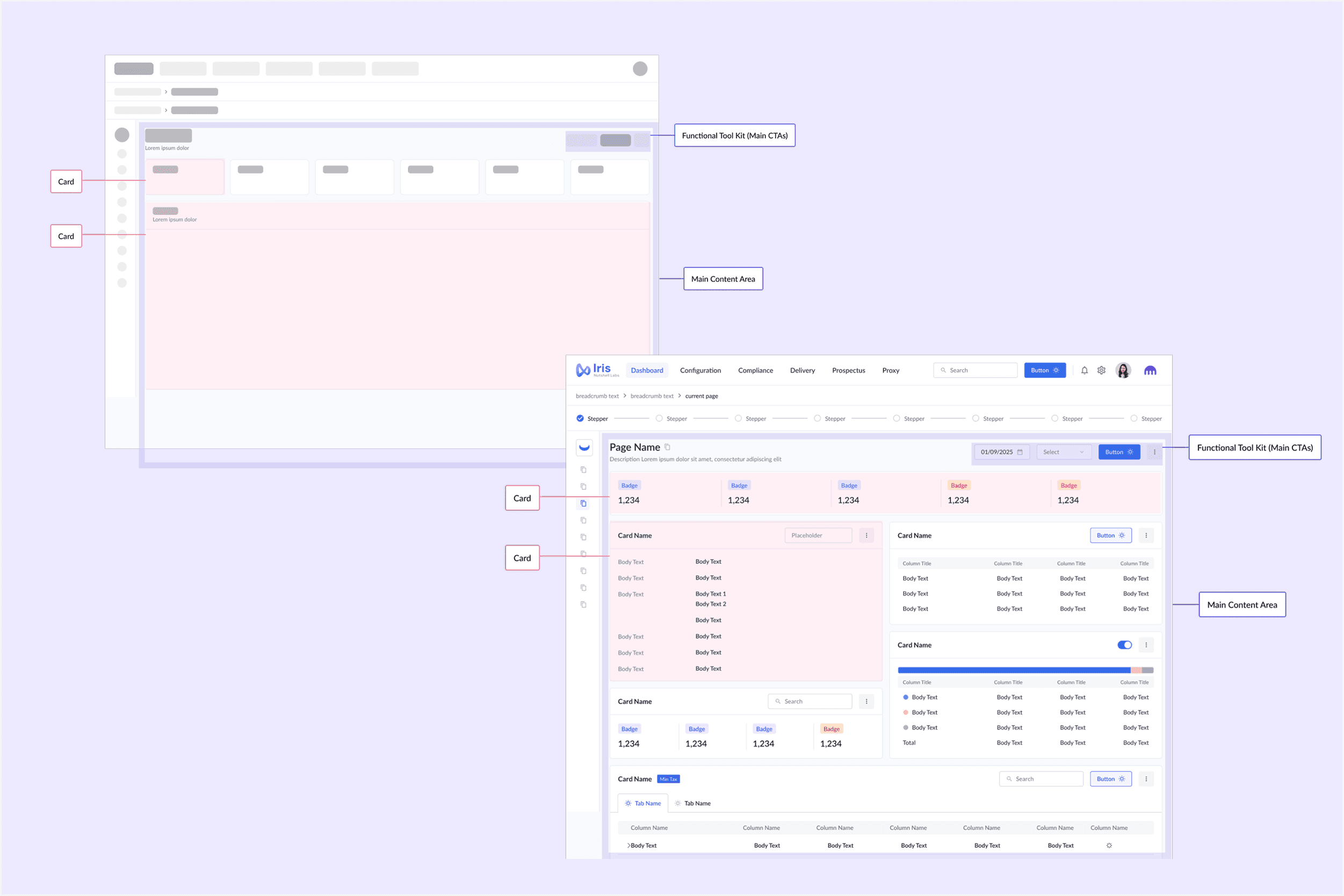
Designing Configuration Interfaces as System Extensions
How complex configuration screens exposed the limits of our design system—and how extending foundations (not components) helped the system scale with the product.
Editor's Picks
Auditing and Scaling a Design System for Enterprise SaaS
How we reduced inconsistency while enabling faster product iteration.
End-to-End Website Redesigns with Ownership
Led end-to-end website redesigns for client organizations, owning projects from discovery through MVP launch while coordinating design, development, and research to deliver on time and at quality.